Royal Health Pharma Home

Category

Pharmaceutical Literacy

18 articles

Fewer Competitors, Higher Costs: What Pharmacy Industry Consolidation Is Doing to Your Prescription Bill

Fewer Competitors, Higher Costs: What Pharmacy Industry Consolidation Is Doing to Your Prescription Bill

Over the past decade, a wave of mergers and acquisitions has dramatically reduced the number of independent pharmacy competitors in the United States. The consequences for American consumers extend well beyond brand names on storefronts — they reach directly into pricing structures, formulary decisions, and the geographic availability of affordable medications. Understanding how consolidation reshapes the pharmaceutical retail landscape is an essential step toward protecting your medication budg

The Silent Dossier: How Your Prescription History Influences What You Pay, What You're Prescribed, and Who Gets to See It

The Silent Dossier: How Your Prescription History Influences What You Pay, What You're Prescribed, and Who Gets to See It

Every prescription you fill contributes to a detailed pharmaceutical profile maintained by pharmacies, insurers, and data aggregators — often without your full awareness. This profile quietly shapes your insurance costs, clinical recommendations, and medication access in ways most Americans never consider. Understanding what is tracked, who holds that data, and how to review your own records is the first step toward reclaiming informed control over your healthcare.

Out of Stock, But Not Out of Reach: How the Pharmaceutical Supply Chain Creates Artificial Scarcity — and What Patients Can Do About It

Out of Stock, But Not Out of Reach: How the Pharmaceutical Supply Chain Creates Artificial Scarcity — and What Patients Can Do About It

When a pharmacist tells you your medication is unavailable, the truth behind that statement is rarely straightforward. Between manufacturers, wholesalers, and retail chains lies a complex inventory ecosystem that can leave patients paying premium fees for drugs that may be sitting in a regional warehouse miles away. Understanding how this system operates is the first step toward protecting your access and your wallet.

Rewarded Into Paying More: How Pharmacy Loyalty Programs Can Work Against Your Medication Budget

Rewarded Into Paying More: How Pharmacy Loyalty Programs Can Work Against Your Medication Budget

Pharmacy loyalty programs promise savings through points and perks, but a closer look at pricing patterns reveals that reward structures may be masking steady price increases on the medications consumers purchase most. Understanding how these programs are designed — and who ultimately benefits — is essential for anyone managing ongoing prescription or over-the-counter drug costs.

Prescriptions That Quietly Steal From Your Body: Understanding Medication-Induced Nutrient Depletion

Prescriptions That Quietly Steal From Your Body: Understanding Medication-Induced Nutrient Depletion

Millions of Americans take daily prescription medications without realizing those same drugs may be gradually depleting essential vitamins and minerals from their bodies. From cholesterol-lowering statins to common acid reducers, the phenomenon of drug-induced nutrient depletion is both widespread and largely underappreciated. Understanding which medications carry this risk — and how to respond — is a critical piece of your overall health management.

Same Pill, Wildly Different Price: How Pharmacies Set Their Own Rules — and What You Can Do to Stop Overpaying

Same Pill, Wildly Different Price: How Pharmacies Set Their Own Rules — and What You Can Do to Stop Overpaying

A 30-day supply of the same generic medication can cost $12 at one pharmacy and $62 at another just a few miles away — with no clinical difference between them. The reasons behind this disparity are buried deep in the pharmaceutical supply chain, but the tools to fight back are more accessible than most Americans realize. This guide explains why prescription prices vary so dramatically and how to systematically find the lowest legitimate cost before you ever reach the counter.

The Discount Card Trap: When Saving Money at the Pharmacy Counter Actually Costs You More

The Discount Card Trap: When Saving Money at the Pharmacy Counter Actually Costs You More

Pharmacy discount programs like GoodRx and SingleCare are widely marketed as money-saving tools, but a growing body of evidence suggests they can sometimes leave consumers paying more than they would through their insurance plan. Understanding how pharmacy pricing tiers actually work — and who profits from each transaction — is essential knowledge for any American trying to manage prescription costs responsibly.

Overworked and Understaffed: Why Your Pharmacist Can't Give You the Consultation You Deserve — and What You Can Do About It

Overworked and Understaffed: Why Your Pharmacist Can't Give You the Consultation You Deserve — and What You Can Do About It

American pharmacists are among the most accessible healthcare professionals in the country, yet systemic pressures — from insurance audits to prescription volume demands — routinely prevent them from providing the in-depth medication counseling patients need. Understanding why this happens, and how to work around it, can meaningfully improve your safety and health outcomes.

Half of All Prescriptions Go Unfollowed: Understanding Why Americans Abandon Their Medications — and the Strategies That Actually Change That

Half of All Prescriptions Go Unfollowed: Understanding Why Americans Abandon Their Medications — and the Strategies That Actually Change That

Medication non-adherence is one of the most consequential and least-discussed problems in American healthcare, contributing to tens of thousands of preventable hospitalizations and deaths each year. The reasons patients abandon their prescriptions extend well beyond cost, encompassing psychology, logistics, side effects, and a fundamental breakdown in the patient-provider relationship. Evidence-based solutions exist — but they require a more honest conversation about why adherence fails in the f

When a Medication Stops Working as Well as It Once Did: Understanding Drug Tolerance and What to Do About It

When a Medication Stops Working as Well as It Once Did: Understanding Drug Tolerance and What to Do About It

Some medications that provide strong relief early in treatment gradually lose their potency — not because the patient has changed, but because the body has adapted at a biological level. This phenomenon, known as tolerance or tachyphylaxis depending on its speed of onset, affects multiple drug classes and can leave both patients and clinicians searching for answers in the wrong places. Understanding why it happens, which medications carry the highest risk, and how to respond effectively is centr

When Your Insurance Company Overrules Your Doctor: Understanding Formulary Barriers and How to Fight Back

When Your Insurance Company Overrules Your Doctor: Understanding Formulary Barriers and How to Fight Back

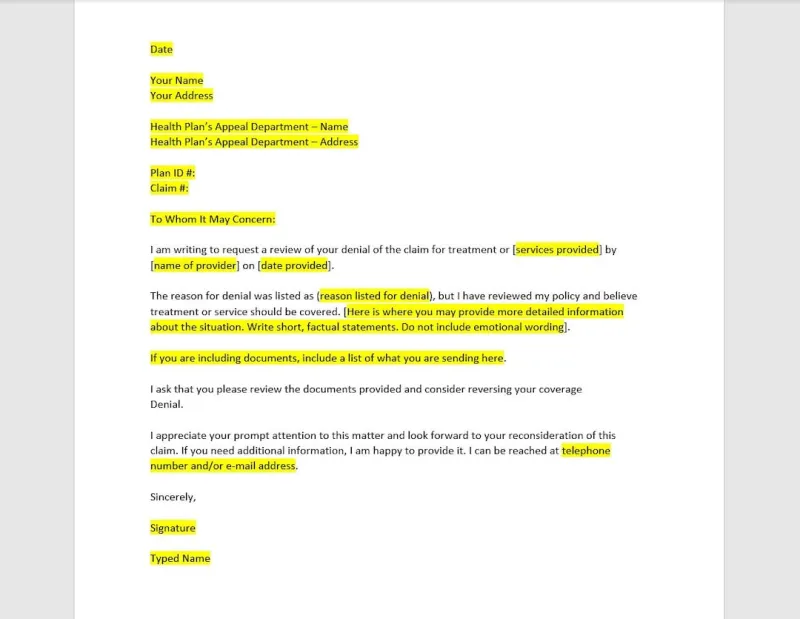
Millions of Americans are surprised to discover that their insurance plan—not their physician—often has the final say on which medications they can access. Formulary restrictions and prior authorization requirements can quietly redirect patients toward costlier or less suitable drugs. Understanding how these systems work, and how to challenge them, is essential knowledge for any informed healthcare consumer.

What Your Prescription Label Is Actually Trying to Tell You — And Why Most Americans Misread It

What Your Prescription Label Is Actually Trying to Tell You — And Why Most Americans Misread It

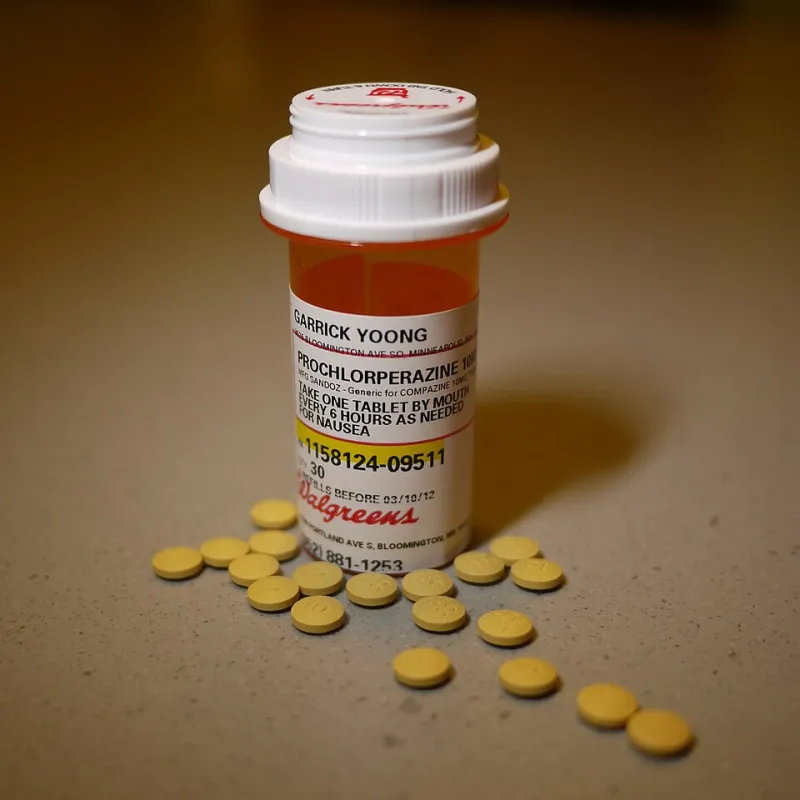
Prescription labels are packed with abbreviations, Latin shorthand, and regulatory language that even well-educated patients routinely misinterpret. Understanding what those instructions genuinely mean — and why discrepancies between your bottle and your doctor's verbal guidance happen — can prevent dangerous dosing errors. This guide walks you through the most common label elements and equips you with the right questions to ask before you leave the pharmacy counter.

Brand-Name, Generic, or Biosimilar: How to Decode Your Medication Options and Lower What You Pay at the Pharmacy

Brand-Name, Generic, or Biosimilar: How to Decode Your Medication Options and Lower What You Pay at the Pharmacy

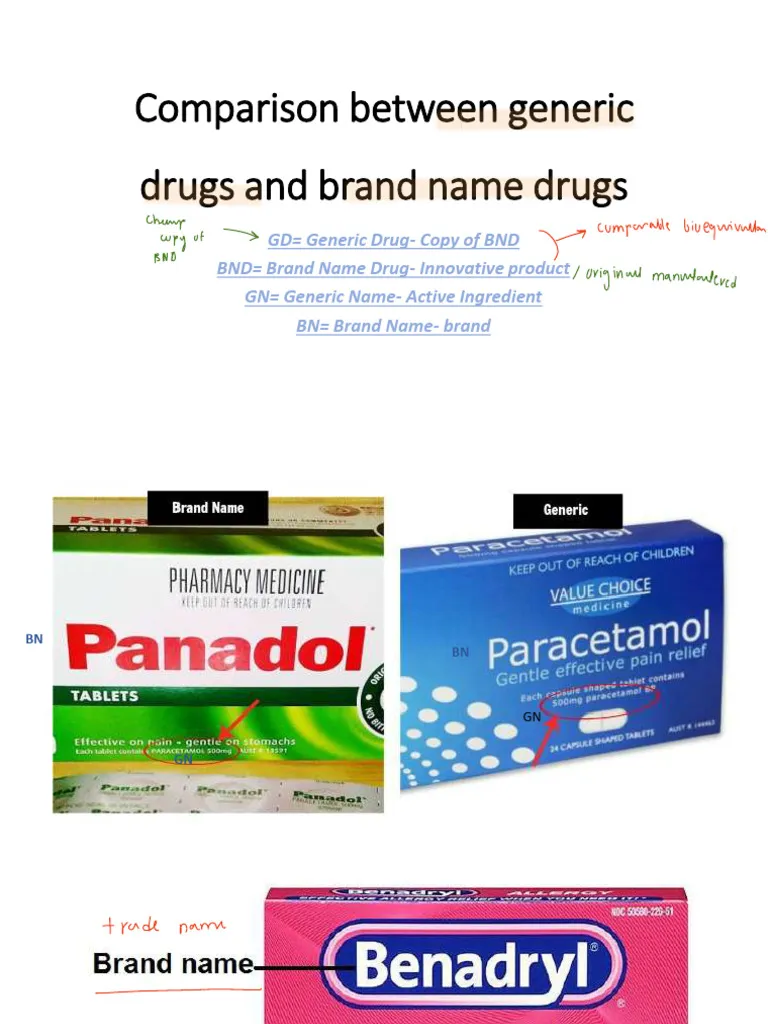
Most Americans are familiar with the concept of generic drugs, but the modern pharmaceutical marketplace now includes a third category—biosimilars—that many consumers have never heard of, despite the significant cost implications. This guide explains the meaningful differences between brand-name drugs, traditional generics, and biosimilars, how each is evaluated for safety, and how to use that knowledge to make more informed decisions about your care and your budget.

Five Persistent Myths About Generic Drugs That Are Quietly Draining American Wallets

Five Persistent Myths About Generic Drugs That Are Quietly Draining American Wallets

Generic medications account for roughly 90 percent of all prescriptions dispensed in the United States, yet widespread misconceptions continue to drive billions of dollars in unnecessary spending on brand-name equivalents each year. Armed with FDA data and clinical evidence, Royal Health Pharma examines five of the most stubborn myths about generic drugs—and explains why the science simply does not support them.